A house built in the 1950s and a house renovated last spring can sit on the same street and share the same square footage, yet they behave nothing alike once you turn on a tap. One sputters, stains, and surprises you with a bill. The other just works. The difference usually has little to do with the walls and everything to do with what runs behind them. Here is what actually changes, room by room, when an older home gets its plumbing brought up to date.
Rusty Water Mornings vs. Clear First Pour
In an aging home with galvanized supply lines, the first pour of the day tells the story. Water sits in corroding pipe overnight and picks up a brown or orange tint, a metallic smell, and sometimes a gritty residue that settles in the glass. You learn to run the tap for thirty seconds before you trust it. After a repipe with copper or PEX, that ritual disappears. The first pour is clear, the taste is flat and clean, and the inside of the kettle stops collecting scale and rust flakes. It is a small, daily reassurance that most homeowners don’t realize they were missing.
Weak Shower Pressure vs. Full-Flow Fixtures
Old pipes don’t just corrode on the outside. Mineral buildup and rust narrow the interior diameter over decades until a three-quarter-inch line effectively carries a trickle. The result is the familiar standoff: you can either flush a toilet or keep hot water in the shower, but not both at once. Fresh supply lines restore the full bore the fixtures were designed for. Showers hold steady pressure when the dishwasher runs, two bathrooms work at the same time, and filling a tub stops feeling like an afternoon project.
Patchwork Repairs vs. replacing old pipes in a Little Rock home
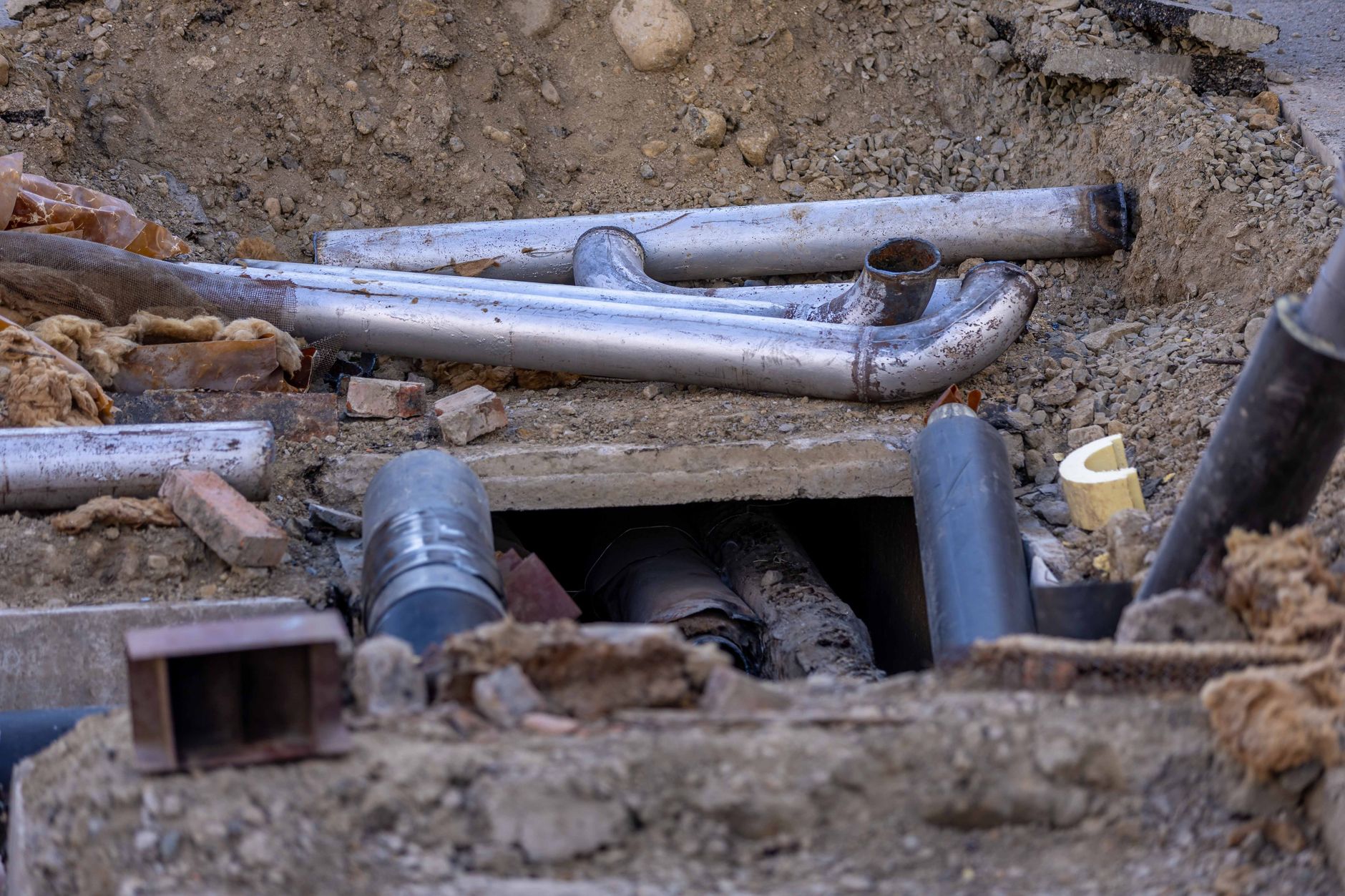
Many older systems survive on a history of spot fixes: a clamp here, a section of new pipe spliced into old, a joint re-soldered after the last leak. Each repair solves one failure while the rest of the aging material keeps deteriorating on the same timeline. That is why problems seem to migrate from one spot to the next. A planned overhaul breaks the cycle. Rather than chasing failures, a crew like the team at Diamond State Plumbing maps the whole system and handles replacing old pipes in a Little Rock home as a single coordinated job, so you are not paying for the same wall to be opened three times in two years.
Ballooning Water Bills vs. Predictable Monthly Costs
Hidden leaks and slow seepage at old joints add up quietly. A pinhole you never see can waste water around the clock, and an inefficient water heater struggling against sediment burns energy to deliver less. Homeowners often assume rising bills are just the cost of living in an older house. After an overhaul, the meter stops spinning when every tap is off, the water heater runs efficiently, and the monthly numbers settle into a range you can actually predict.
Constant Call-Outs vs. Years of Quiet Reliability
There is a certain kind of homeowner who has a plumber’s number memorized. That isn’t loyalty so much as a symptom. When a system is near the end of its life, emergencies cluster, and each one arrives at an inconvenient hour. The quietest benefit of new plumbing is the absence of those calls. Modern materials carry long service lives, and a properly installed system can go years without demanding attention. The silence is the point.
An Aging Liability vs. a Ready-to-Sell Asset
When it comes time to sell, a home inspection turns outdated plumbing into a negotiating weapon for the buyer. Galvanized lines and a tired water heater become line items for price reductions or repair demands. A documented overhaul flips that dynamic: it reads as a completed major system, one less thing for a buyer to worry about, and a feature rather than a flag. The investment that made daily life easier also protects what the house is worth.
The Short Version
If you remember nothing else:
- Clear water and steady pressure are the first things you notice, and the first things you stop noticing.
- One planned overhaul beats an endless string of patch jobs.
- Predictable bills and fewer emergency calls are real savings, not just comfort.
- Updated plumbing is an asset at resale, not a liability.